“God Almighty first planted a garden. And, indeed, it is the purest of human pleasure.”
— Sir Francis Bacon
It is a curious claim to make about something so familiar. Gardens are everywhere: behind terraced houses, wrapped around country homes, carved into public squares, tucked between skyscrapers. We move through them daily, often without much thought. And yet, beneath their apparent obviousness, gardens are surprisingly difficult to define.
The culture of garden-making
Humans have been making gardens for as long as they have settled. From the enclosed courtyards of ancient Persia (the pairidaeza, or walled garden, from which the word paradise is derived) to Roman peristyles, medieval monastic gardens, Renaissance pleasure grounds, and the great landscape parks of 18th-century England , gardens have always been more than simple decoration. They are cultural artefacts, shaped by geography, power, climate, belief, and technology.
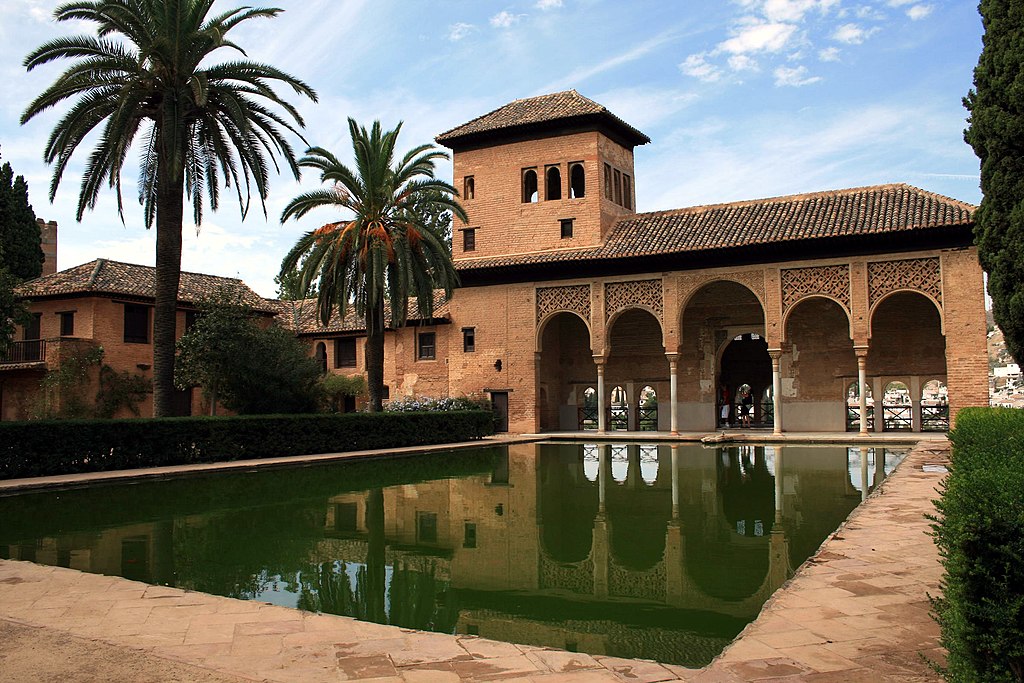
Jim Gordon, CC BY 2.0, via Wikimedia Commons
In Western traditions especially, gardens have oscillated between geometry and looseness, between formal imposition and studied naturalism. The clipped hedges of Versailles and the rolling lawns of Capability Brown may look wildly different, yet both are intensely intentional. Neither is nature “left alone”. Both are statements about humanity’s relationship with the land.
Living with the garden
At its most immediate level, a garden is an extension of our built environment. It is not simply something to be looked at, but somewhere to be in. A garden functions as an outdoor room – often a sequence of rooms – in which we sit, eat, work, play, rest, and gather.
This way of thinking is deeply embedded in British garden culture. Large gardens have often been conceived as a series of distinct spaces, each with its own atmosphere and purpose, shaped by walls, hedges, paths, and planting. Sissinghurst Castle Garden and Great Dixter are well-known examples: places where movement, pause, enclosure, and openness are carefully orchestrated, and where use is as important as appearance .
Yet this idea applies just as much to modest, contemporary, domestic gardens. Even the smallest plot tends to develop zones of inhabitation: a chair that catches the evening sun, a table placed for a view rather than symmetry, a worn route traced repeatedly across the grass. Whether consciously designed or not, gardens quickly reveal how they are used.
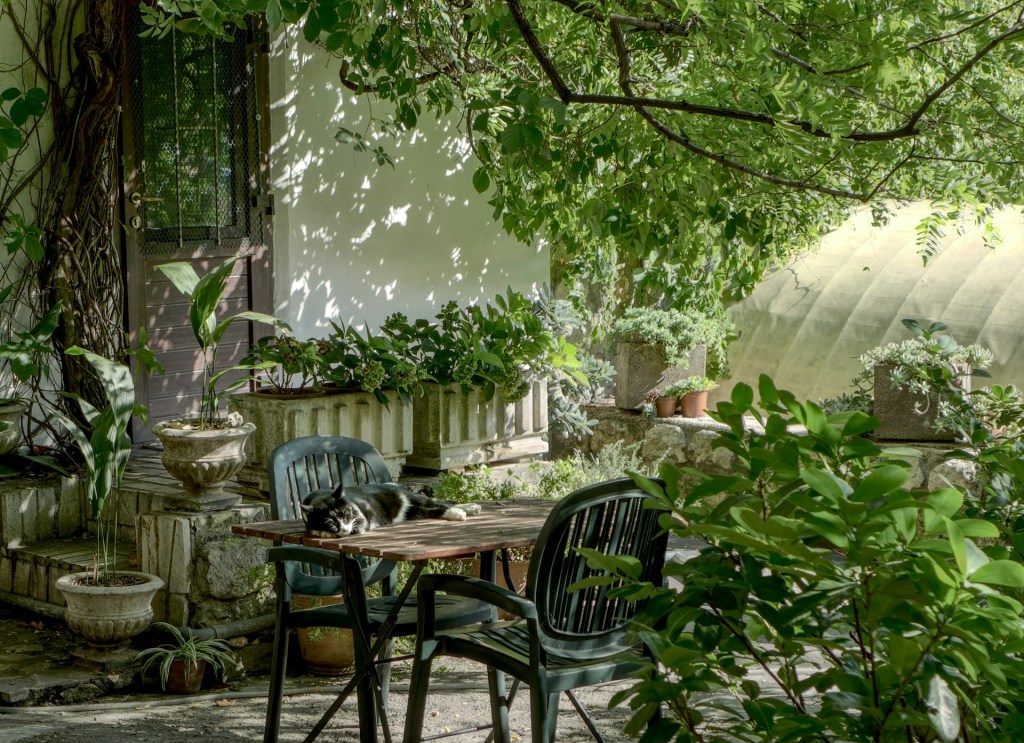
Seen this way, the garden is practical in the richest sense. It supports daily life. It accommodates habit, comfort, and change. Its success is measured not only by how it looks, but by how willingly it is inhabited.
Use versus meaning
Yet gardens are never only practical.
Alongside the question “What is the garden for?” sits another, quieter one: “What does the garden mean?” The first concerns use: how space is occupied, how it supports daily life, how it accommodates rest, work, and social ritual. The second concerns interpretation: how we understand our place within the landscape, and what sort of relationship we imagine ourselves having with the natural world.
In practice, these questions are inseparable. A garden designed primarily for contemplation will invite different forms of use than one designed for play or productivity. Likewise, a garden conceived as a refuge from the world will be arranged differently from one intended as a place of gathering and exchange. Meaning expresses itself through use, and use, over time, reshapes meaning.
The philosophical dimension of the garden asks whether we see ourselves as stewards, collaborators, curators, or simply temporary occupants. It asks how much order we seek to impose, how much change we are willing to accept, and where we draw the boundary between care and control.
These questions are not abstract. They surface in decisions about materials and planting, about permanence and ephemerality, about how much effort is devoted to maintenance and what kinds of change are tolerated or encouraged. They sit beneath contemporary debates about sustainability, rewilding, and what constitutes responsible garden-making, even when they are not explicitly acknowledged.
Zones of transition
One way to understand the garden is as a liminal space – neither fully wild nor fully built. It sits between nature and culture, between the domestic and the untamed.
Consider two extremes. If you own a piece of land and leave it entirely untouched, allowing nature to run rampant without human interference, would you call it a garden? Most people wouldn’t. Conversely, if you pave a walled courtyard and prevent any plant life from intruding, would that feel like a garden? Again, probably not.
If we imagine these scenarios as opposite ends of a spectrum, the garden seems to exist somewhere in between – or perhaps across the whole of that middle ground. This raises interesting questions. Does topiarising a single shrub in a hundred‑acre wilderness turn it into a garden? Does placing a lone potted tree in a barren courtyard suddenly transform it into a garden?
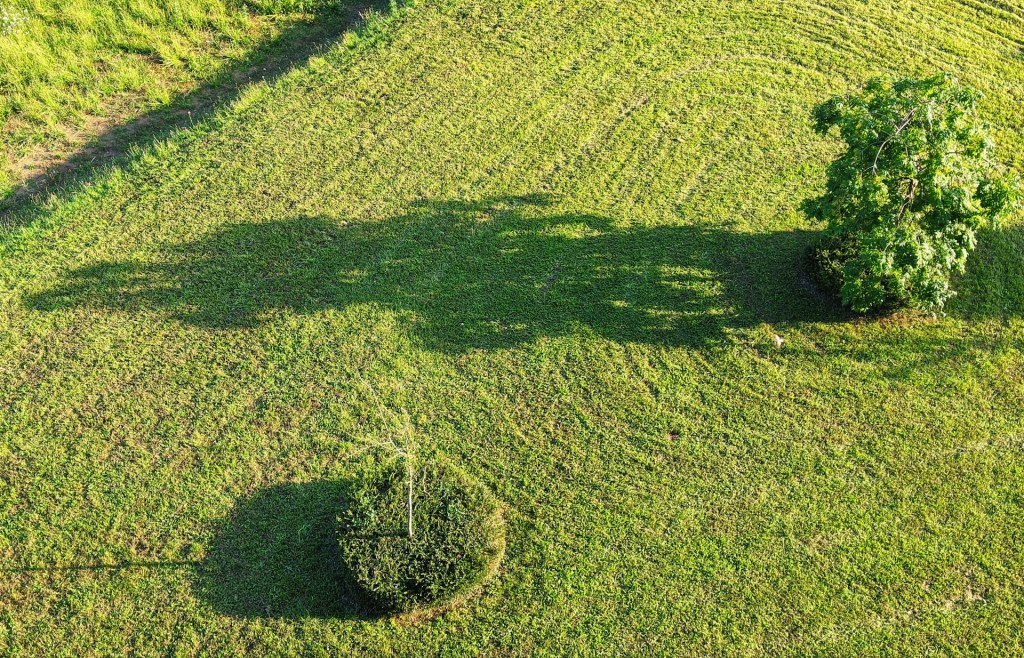
Ecologists use the term ecotone to describe the transition zone between two habitats, places where biodiversity often peaks. In this sense, the garden can be understood as an ecotone between the built environment – the primary habitat of modern humans – and the wider natural world. It is precisely this overlap that gives gardens their richness.
Negotiated landscape
At its core, a garden is an expression of intention. It is nature shaped by human choice, and humanity shaped in return by natural processes. This relationship has often been framed as a tension: wildness versus formality, freedom versus control, nature versus man.
That tension is very much alive today. Contemporary discourse across horticulture, design, and environmental stewardship wrestles with how much intervention is appropriate, what kinds of landscapes we should value, and whose values are being expressed.
But tension need not imply conflict. A garden should better be understood as a collaboration; a negotiated space where human intention meets natural systems.
Dynamic equilibrium
Finally, no garden is a dynamic environment. Even the most meticulous gardener cannot hold it in a perfect, static moment. Seasons turn. Plants grow, compete, fail, and self-seed. Weather, soil, and time all exert their influence.
To garden, then, is to work with change rather than against it. It is to accept that intention does not guarantee outcome, only direction. A garden reveals its character slowly, through use, care, and adaptation.
Seen this way, the garden becomes a mirror. It reflects how we think about nature, about control, about usefulness and beauty — and about what we choose to value.
 Dale Walker